İtaat Ettirme Tılsımı Ve Uygulaması | Havas İlminin Derinliklerinden Bir Sır

İtaat Ettirme Tılsımı Nasıl Yapılır? | Huturin ve Hutuşin İsimlerinin Sırrı

İnsanlık tarihi boyunca sözün gücü, ikna kabiliyeti ve insanlar üzerindeki etki, her zaman merak edilen ve üzerine düşünülen konular olmuştur. Kimi zaman diplomasiyle, kimi zaman sanatla aranan bu etki gücü, manevi ve ezoterik geleneklerde farklı bir boyut kazanır. İşte bu geleneklerden biri olan Havas ilmi, harflerin, isimlerin ve sembollerin enerjisini kullanarak belirli amaçlara ulaşmayı hedefler. Bu yazıda, Havas literatürünün en çok ilgi çeken konularından biri olan “İtaat Ettirme Tılsımı”nı, kökenleri ve uygulama adımlarıyla birlikte ele alacağız.

Havas İlmi Ve Tılsım Nedir?

Havas ilmi, kelime anlamıyla “özellikler” ve “tesirler” demektir. İslam medeniyetinde gelişmiş bu ezoterik disiplin; Allah’ın isimlerinin (Esmâü’l-Hüsnâ), Kur’an ayetlerinin, belirli dua ve sembollerin manevi özelliklerini ve enerjilerini kullanarak çeşitli dünyevi ve uhrevi hedeflere ulaşmayı amaçlayan bir bilgi dalıdır. Tılsım ise, bu ilmin pratiğe dökülmüş hallerinden biridir. Belirli bir amaç için, özel zamanlarda ve usullerle hazırlanan, üzerinde semboller, harfler veya isimler bulunan objelere veya yazılara verilen genel addır. Amacı, belirli bir enerjiyi aktive ederek istenen sonuca ulaşmaktır.

İtaat Ettirme Tılsımının Kaynağı: Esmâ-i Berhetiyye

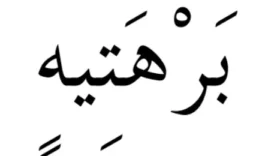
Bu özel tılsımın gücünün dayandığı kaynak, Havas ilmi içinde büyük bir öneme sahip olan Esmâ-i Berhetiyye’dir. Berhetiyye, Süryani veya İbrani kökenli olduğu rivayet edilen ve yirmi sekiz isimden oluşan kutsal bir isimler dizisidir. Her bir ismin farklı bir manevi gücü, hizmetli meleği (hadim) ve tesir alanı olduğuna inanılır. İmam-ı Bûnî ve İmam-ı Gazzâlî gibi büyük alimler, eserlerinde Berhetiyye’nin faziletlerinden ve kullanım alanlarından detaylıca bahsetmişlerdir.

İtaat ettirme uygulamasında kullanılan isimler de bu kutsal dizinin içinde yer alan iki özel isimdir: Huturin ve Hutuşin.

Huturin Ve Hutuşin İsimlerinin Sırrı

Bu iki ismin, özellikle insanlar üzerinde bir etki, heybet ve sözünü geçirme gücü oluşturduğuna inanılır. Havas kaynakları, bu isimlerin zikredilmesi veya usulünce yazılmasıyla kişinin aurasında karşı konulmaz bir manyetik alan oluştuğunu belirtir.

Birinci İsim: Huturin (Hutûr)

Arapça Yazılışı:

خُطُورٍ

Okunuşu:

Hutûrin

Anlamı ve Tesiri:

Havas alimleri, bu ismin “heybet veren”, “kalplere korku ve saygı salan” bir güce sahip olduğunu belirtir. Kişiye karşı konulmaz bir celâl ve etki gücü kazandırdığı rivayet edilir.

İkinci İsim: Hutuşin (Hutûş)

Arapça Yazılışı:

خُطُوشٍ

Okunuşu:

Hutûşin

Anlamı ve Tesiri:

Bu ismin ise “itaat ettiren”, “kalpleri ve iradeleri çeken” bir tesiri olduğu aktarılır. Özellikle muhatabın direncini kırarak, söyleyen kişinin isteklerine karşı daha anlayışlı ve uysal bir hale gelmesine vesile olduğuna inanılır.

İtaat Ettirme Tılsımı Nasıl Yapılır?

Kadim Havas kitaplarında bu tılsımın uygulanışı oldukça net bir şekilde tarif edilmiştir. Uygulama, niyetin saflığına ve adımların doğru takip edilmesine dayanır.

1. Adım: Manevi Ve Bedensel Hazırlık

Her manevi uygulamada olduğu gibi, niyet en temel unsurdur. Kişi, bu uygulamayı neden yapmak istediğine dair kalbinde net ve temiz bir niyet taşımalıdır. Uygulamaya başlamadan önce abdest almak, manevi bir arınma ve hazırlık için tavsiye edilir.

2. Adım: Avuç İçine Yazma İşlemi

Safran mürekkebi veya temiz bir kalemle, sağ elin avuç içine yukarıda Arapça yazılışları verilen Huturin ve Hutuşin isimleri yazılır. Yazının avuç içinde olması, enerjinin direkt olarak kişinin kendisinden yansıması inancına dayanır.

3. Adım: Zikir Ve Yönelme

İsimler avuca yazıldıktan sonra, kişi etki etmek istediği kimsenin yanına doğru, bu iki ismi alçak bir sesle ve sürekli olarak zikrederek (okuyarak) yaklaşır.

4. Adım: İşaret Etme Ve Niyeti Tamamlama

Muhatabına yeterince yaklaştığında, avucunu ona göstermeden, sadece o yöne doğru bir işarette bulunur veya elini hafifçe ona doğru uzatır. Bu esnada kalben niyetini ve isteğini tekrar eder. Rivayete göre bu isimlerin enerjisi, bu hareketle birlikte karşı tarafa yönelir ve kişi, söyleyenin isteklerine karşı daha duyarlı ve itaatkâr bir hale gelir.

Dikkat Edilmesi Gerekenler Ve Manevi Sorumluluk

Havas ilmiyle yapılan uygulamalar, birer oyuncak değildir. Her birinin derin bir manevi sorumluluğu vardır.

  • Niyetin Önemi: Bu tılsımın kötüye kullanılması, birinin iradesini zorla ve haksız bir şekilde ele geçirmek için yapılması, manevi olarak büyük bir vebal taşır. Sadece hayırlı amaçlar (örneğin, dargınları barıştırmak, birini kötü bir alışkanlıktan vazgeçirmek, haklı bir davada sözünü dinletmek) için kullanılması öğütlenir.
  • İnanç ve Teslimiyet: Uygulamanın tesiri, kişinin inancının gücüyle doğru orantılıdır. Şüphe ve tereddüt, enerjinin akışını engelleyebilir.
  • Kaynak Güvenilirliği: Bu tür uygulamalar, güvenilir ve ehil kaynaklardan öğrenilmelidir. Kulaktan dolma bilgilerle hareket etmek tehlikeli olabilir.

Son Söz

Huturin ve Hutuşin isimleriyle yapılan itaat ettirme tılsımı, Havas geleneğinin, harflerin ve seslerin ardındaki gizli güce olan inancının somut bir örneğidir. Bu, mekanik bir işlemden ziyade, niyetin, inancın ve kadim bilgeliğin bir araya geldiği manevi bir ritüeldir. Her manevi güç gibi, o da büyük bir sorumluluk gerektirir. Bu sırları öğrenirken, onlara saygıyla yaklaşmak ve sadece iyilik ve hayır yolunda kullanmayı ilke edinmek, bu kadim yolda atılacak en sağlam adımdır.

Kaynakça

  • Bûnî, Ahmed bin Ali. Şemsü’l-Maârifi’l-Kübrâ ve Letâifü’l-Avârif. (Çeşitli yayınevleri tarafından tercüme ve şerh edilmiştir).
  • Gazzâlî, İmam. el-Evfâk fî İlmi’l-Hurûf. (Havas ilmiyle ilgili eserlerinin derlemeleri).
  • Tilimsânî, Süleyman el-Hüseynî. Şümûsü’l-Envâr ve Künûzü’l-Esrâr.
  • Deyrebî, Ahmed. Mücerrebât-ı Deyrebî. (Havas ilmine dair tecrübe edilmiş uygulamaları içeren eser).
İlginizi Çekebilir:Elmaya Okunup Yedirilen Aşk Duası
share Paylaş facebook pinterest whatsapp x print

Benzer İçerikler

Invitation of the Servant Angel of Surah Al-Ikhlas | HavasThe Science of Havas And The Servants (Hadim) Of SurahsIn Havas literature, it is believed that every Surah, verse, and even each of the Esmaü'l Hüsna (Beautiful Names of Allah) in the Holy Qur'an has attendant servants (hadim) assigned in the spiritual realm. It is stated that these hadim can be angels or prominent figures among Muslim jinn. It is accepted that communication with these hadim is possible through specific methods, spiritual disciplines (riyazet), and remembrances (zikr). It is believed that the hadim of Surahs with great virtue and importance, like Surah Al-Ikhlas, are extremely sublime and powerful beings (specified as angels in this narration). The purpose of such invitations is generally to receive spiritual guidance, acquire knowledge, or request help for a legitimate need (hacet).Precautions To Be Taken In InvitationsThere is a very important rule to know before starting Havas practices: "While reciting these invitations, never, ever get up from the prayer rug you are reading on. Whatever invocation (azimet) or invitation (davet) you recite, do not get up from your place until the work is finished, meaning the reading is always done in one sitting (celsede); otherwise, the invitation will not be answered." This warning emphasizes the seriousness of the invitations, requiring uninterrupted focus and spiritual commitment. Once the reading begins, it is essential not to get up, speak, or engage in any other activity until the specified number is completed or the ritual ends.Purpose And Nature Of The Surah Al-Ikhlas InvitationThe primary purpose of this special invitation is to establish friendship with the servants (hadim) of Surah Al-Ikhlas, identified in the narration as three angels named Abdullah, Abdulvahid, and Abdussamed, and to learn hidden knowledge from them. This is a sublime endeavor aimed at spiritual elevation and the opening of doors to knowledge, rather than a material request.Step-by-Step Preparation Process For The InvitationAchieving success in such a powerful invitation requires a meticulous preparation and application process.Timing And LocationAccording to the narration, the invitation begins on a Wednesday. The location for the practice must again be halvet (seclusion) – a quiet, calm, clean place where one will not be disturbed.Fasting with Riyazet And Daily GhuslIt is stated that one must fast with riyazet (spiritual discipline/austerity) for three days starting from Wednesday (Wednesday, Thursday, Friday). Riyazet is performed to purify the self and increase spiritual sensitivity; it involves eating little, sleeping little, staying away from worldly occupations, and especially avoiding forbidden and doubtful things. Additionally, performing ghusl (full ritual ablution) daily during these three days reinforces physical cleanliness and spiritual readiness.The Remembrance (Zikr) Of Surah Al-IkhlasDuring the three-day riyazet period, it is stated that Surah Al-Ikhlas should be recited 1000 (one thousand) times after each obligatory prayer (farz namaz). This means reciting Surah Al-Ikhlas a total of 5000 times per day. This zikr requires great patience and consistency.Oud And Sandalwood Incense (Buhur)It is mentioned that during the recitations, "oud" (agarwood) and "sandal" (sandalwood) incenses should be burned daily. Oud and sandalwood are precious incenses frequently used in spiritual practices, believed to have pleasant scents and energy-cleansing properties. These incenses are used to make the spiritual atmosphere of the environment suitable for the invitation.The Special Dua After RecitationIn the narration, it is stated that after every 1000 recitations of Surah Al-Ikhlas, the following special dua should be recited once:Arabic Text:اَللّٰهُمَّ إِنّ۪ي أَسْأَلُكَ يَا حَنَّانُ أَنْتَ الَّذ۪ي وَسِعْتَ كُلَّ شَيْءٍ رَحْمَةً وَ عِلْماً أَنْ تُسَخِّرَ ل۪ي خُدَّامَ هٰذِهِ السُّورَةِ الشَّر۪يفَةِ بِحَقِّ مَنْ قَالَ لَا إِلٰهَ إِلَّا اللّٰهُ مُحَمَّدٌ رَسُولُ اللّٰهِTransliteration:Allâhümme innî es'elüke yâ Hannânu ente'llezî vesi'te külle şey'in rahmeten ve ilmen en tüsahhira lî huddâme hâzihi's-sûreti'ş-şerîfeti bi hakkı men kâle Lâ ilâhe illallâh Muhammedün Resûlullâh.Meaning:O Hannan (Most Compassionate)! O You Who encompass all things in mercy and knowledge! I ask You to subordinate the servants of this noble Surah to me, for the sake of those who say "Lâ ilâhe illallâh Muhammedün Resûlullâh" (There is no god but Allah, Muhammad is the Messenger of Allah).This dua is a supplication made after the zikr asking Allah to assign the servants of the relevant Surah.Surah Al-Ikhlas: The Essence Of Tawhid And Its VirtuesSurah Al-Ikhlas, the 112th chapter of the Holy Qur'an, expresses the unity of Allah, His uniqueness, and His self-sufficiency in the most concise way. It holds great importance and virtue as it explains the concept of Tawhid (Oneness of God), the foundation of Islamic belief. It is mentioned in Hadith that it is equivalent to one-third of the Qur'an. The intensive recitation of this Surah in invitations stems from its spiritual power and value in the sight of Allah.Arabic Text:بِسْمِ اللّٰهِ الرَّحْمٰنِ الرَّح۪يمِقُلْ هُوَ اللّٰهُ اَحَدٌۚاَللّٰهُ الصَّمَدُۚلَمْ يَلِدْ وَلَمْ يُولَدْۙوَلَمْ يَكُنْ لَهُ كُفُواً اَحَدٌTransliteration:Bismillâhirrahmânirrahîm.Kul hüvellâhü ehad.Allâhü's-samed.Lem yelid ve lem yûled.Ve lem yekün lehû küfüven ehad.Meaning (In the name of Allah, the Most Gracious, the Most Merciful):Say: He is Allah, the One.Allah, the Eternal Refuge (As-Samad).He neither begets nor is born.Nor is there to Him any equivalent.The Climax Of The Invitation: The Friday Night RitualAfter completing the three-day riyazet, zikr, and incense practice, one gets up at midnight on Friday night (the night between Thursday and Friday).Hajat Prayer And The Final Thousand RecitationsFirst, 2 rak'ahs of Hajat Prayer (Prayer of Need) are performed. Hajat prayer is a voluntary prayer performed for a specific request or need from Allah. With this prayer, one supplicates for the acceptance of the final zikr and invitation. After the prayer, Surah Al-Ikhlas is recited another 1000 (one thousand) times. Following this recitation, the special dua mentioned above is recited again.Encountering The Angels And GreetingAccording to the narration, after this final recitation and dua, an extraordinary event occurs: the walls of the room split open, and a nur (light) appears inside. From this light, three angels named Abdullah, Abdulvahid, and Abdussamed emerge and give salam (greetings).Receiving The Greeting And RespondingOne must respond to the arriving angels' greetings with great respect and reverence (hürmet ve tazim ile). After receiving their greetings, it is recommended to respond as follows:Words to Say:"Siz beni nasıl aziz kıldıysanız Allah da sizi öyle aziz kılsın."(May Allah honor you just as you have honored me.)This phrase expresses respect for the arriving angels and acknowledges their arrival as a blessing.Making A Pact (Ahd) With The AngelsFollowing this encounter, an ahd (pact or covenant) is made between the practitioner and the angels. It is mentioned that the angels will have certain conditions. If the practitioner accepts these conditions, the invitation is successful, and friendship with the angels is established. However, if the conditions are not accepted, it is stated that all efforts will be in vain. This pact-making is an important step that defines mutual responsibilities and boundaries.Requesting Help From The Servant AngelsOnce the pact is successfully made, these three angels (Abdullah, Abdulvahid, Abdussamed) will assist the person with their legitimate needs (hacet). Whenever a need arises, it is sufficient for the person to recite Surah Al-Ikhlas once and then say, "Ya Abdullah yanıma gel!" (O Abdullah, come to me!). According to the narration, the called angel Abdullah will appear immediately, and the three mentioned angels will fulfill whatever wish (murad) the person has, by the permission of Allah.Final WordThe Invitation of Surah Al-Ikhlas is a special Havas practice aimed at establishing a spiritual connection with angels believed to be serving as hadim and seeking knowledge from them, requiring a high level of spiritual preparation, patience, and sincerity. This ritual, involving many steps such as riyazet, zikr, dua, and incense, relies on the spiritual power of Surah Al-Ikhlas, the most concise expression of the Tawhid belief, the foundation of Islam. However, it must be remembered that such invitations and practices related to hidden knowledge require great responsibility, can be dangerous for the unqualified, and should definitely be evaluated under the guidance of pious scholars. As in all matters, sincerity of intention, seeking the pleasure of Allah, and taking refuge in Him are essential.Bibliography (Representative Sources on General Havas, Angelology, and Occult Sciences):el-Bûnî, Ahmed bin Ali. Shams al-Ma'arif al-Kubra. (One of the most comprehensive works on Havas and spiritual beings.)Imam Gazzâlî. Ihya'u Ulum al-Din. (A fundamental resource on purification of the heart, self-discipline, and spiritual preparation.)Suyûtî, Jalaluddin. Al-Habaik fi Akhbar al-Malaik. (A work compiling hadiths and narrations about angels.)Kanz al-Khawas. (A popular compilation containing information on the properties (khawas) of various Surahs and prayers.)Deyrebî, Ahmed. Mujarrabat al-Dayrabi. (Contains various tested Havas practices.)
İhlas Suresinin Hadim Meleğinin Daveti | Havas
Seyahate Çıkan Erkeğin Aldatmaması İçin Muska Havas
Seyahate Çıkan Erkeğin Aldatmaması İçin Muska
Ayetel Kürsi'nin Hüddamını Çağırma Duası - Havas
Ayetel Kürsi’nin Hüddamını Çağırma
Aşık Etmek İçin Yumurta Büyüsü Bağlama Havas
Yumurta ile Aşık Etme Büyüsü
Gaipten Haber Almak İçin Kulak Daveti Havas
Kulak Daveti | Gaipten Haber Almak İçin
Yaşayan Birinin Ruhunu Çağırma Kalp Daveti
Yaşayan Birinin Ruhunu Çağırma: Kalp Daveti

Yorumlar

    tlover tonet dedi ki:

    I am now not positive where you’re getting your info, but good topic. I must spend some time studying more or understanding more. Thanks for wonderful info I used to be on the lookout for this info for my mission.

    Thank you for your sharing. I am worried that I lack creative ideas. It is your article that makes me full of hope. Thank you. But, I have a question, can you help me?

    Can you be more specific about the content of your article? After reading it, I still have some doubts. Hope you can help me. https://accounts.binance.bh/zh-TC/register/person?ref=DCKLL1YD

Bir yanıt yazın

E-posta adresiniz yayınlanmayacak. Gerekli alanlar * ile işaretlenmişlerdir

Paranormal Dergi | © 2025 |